


Rock & Roll Experience | Music Team Building

Rock & Roll Experience | Music Team Building
Why wellbeing, connection and personalisation are replacing passive agendas and transforming modern conferences into shared experiences people remember


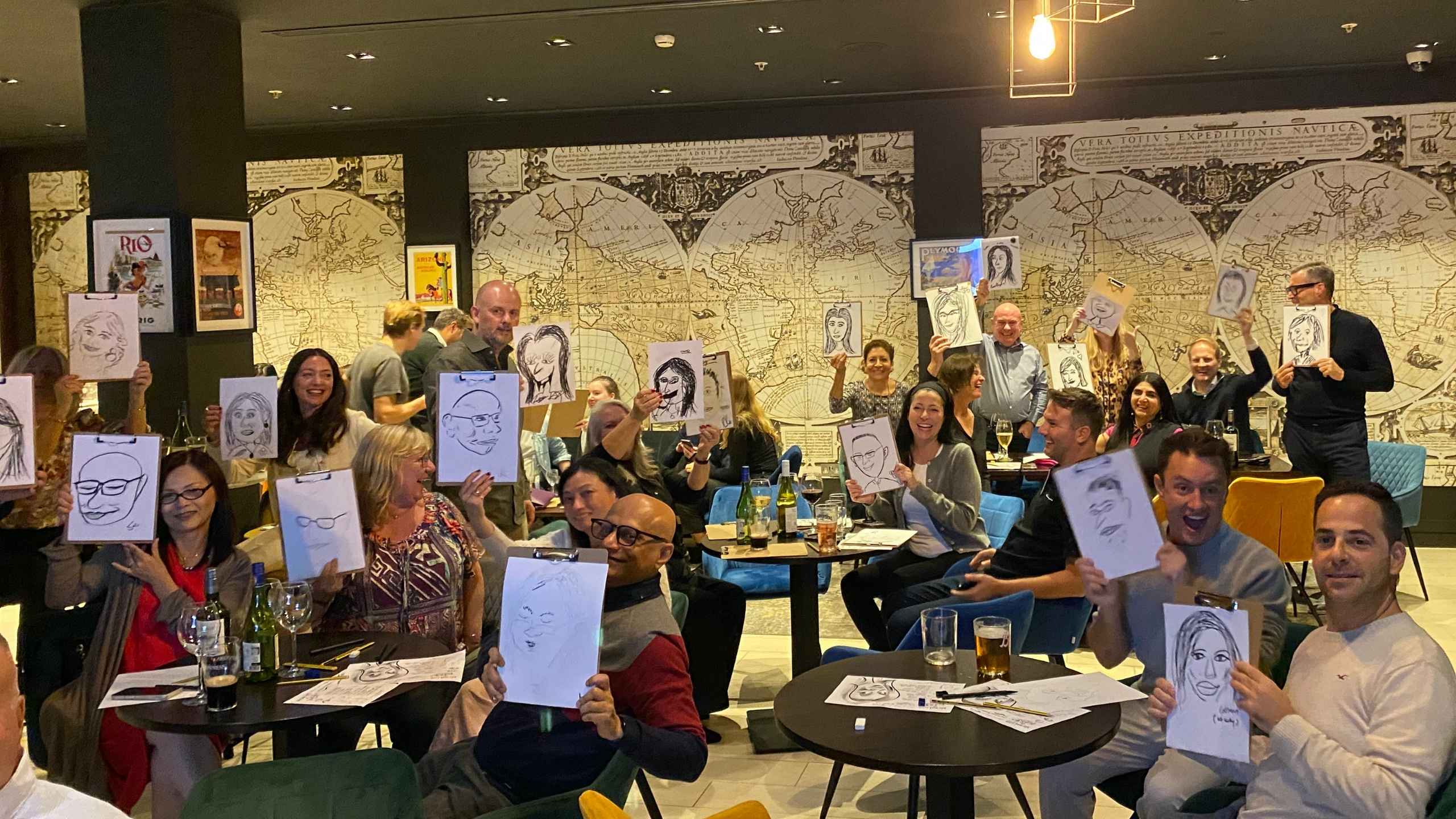
Conference Engagement Ideas
The conference world is changing quickly. Attendance alone is no longer success. Modern events are judged on how they feel, what people remember and whether they genuinely brought people together.
Across the industry a clear pattern is emerging. Delegates do not just want to sit, listen and leave. They want to participate, connect and experience something human.
The most effective conference engagement ideas in 2026 are built around psychology rather than presentation slides.
5-5,000+
5 minutes - 2 hours
Dependent on group size
Wellbeing used to sit on the edges of a conference. A quiet room or optional activity that only a few attended.
Now it sits at the centre of event design.
People cannot concentrate for eight hours straight. Mental fatigue, screen overload and passive listening all reduce learning and satisfaction. Conferences that build energy cycles into the day consistently achieve better feedback and stronger engagement.
This is why interactive musical sessions are becoming increasingly popular as conference energisers. Rhythm, movement and shared activity activate the brain differently from listening. Participants release endorphins which lift mood, dopamine which increases motivation and oxytocin which strengthens social bonding.
The result is not just entertainment. It is reset attention, reduced stress and improved focus for the rest of the agenda.
Find out more about how we incorporate wellbeing into conferences here.
Information is everywhere. People can watch a talk later, read a summary or ask AI for the key points.
What they cannot download is the feeling of doing something together.
The strongest events now create shared achievement. When a group writes lyrics together, performs music or creates a film as a team, they experience vulnerability, collaboration and support. Those moments create trust faster than conversation alone.
Delegates often arrive as colleagues but leave feeling like a team. That emotional shift is what drives positive feedback and long term impact.
Organisers increasingly measure how people interacted rather than how many seats were filled.
Interactive experiences generate discussion long after the conference ends because they create stories. People talk about what they created together, share videos and reference the experience internally. Engagement becomes proof of value.
Modern audiences expect events to adapt to them.
One of the most powerful ways to achieve this is through creative participation. Instead of consuming content, delegates shape it. They might rewrite a song around company values, create a team performance or design the visuals for a music video.
Every group produces something different because every group is different. That ownership dramatically increases emotional investment.
Human beings bond through shared activity. Neuroscience supports what event organisers increasingly observe in practice.
Group rhythm synchronises behaviour. Shared achievement builds trust. Creativity encourages openness. These release oxytocin which strengthens social connection and serotonin which improves wellbeing and confidence.
When people feel safe, energised and connected, learning improves and messages land more effectively.
The most successful conferences are moving away from passive schedules toward intentional experiences.
Conference engagement ideas are no longer about filling time between sessions. They are about shaping how people feel about the event and about each other.
In 2026, the events people remember will not be the ones with the most slides. They will be the ones where people created something together.
Request our brochure below or check out our favourite conference energisers here.












They look like silly plastic tubes
(and they are) but when the group works together they can create classical music.


They look like silly plastic tubes
(and they are) but when the group works together they can create classical music.


Test your knowledge with this quirky interactive and totally unique quiz. Works brilliantly as a virtual team build or for in-person events.


Your team can plan, create and star in their own music video. Hilarious, crazy and brilliantly unique team building.


Here your team learn the iconic Michael Jackson dance routine. It’s a hilarious team building activity.


A hilarious session learning a traditional English folk dance. The most quintessentially English team building session.


Very modern and very accessible. Anyone can do this and we show you how to become expert beatboxers. A perfect energiser or team building activity.


Each delegate gets their own harmonica in a musical team build that sees them master the blues harp! Perfect as a short conference energiser.

Our team away day was all a bit last minute but Matt was fantastic with his planning!
It’s definitely something that the office will be talking about for a long time to come – 5 stars aren’t enough.
Amber-Anne Allen – PA to the COO of Trafalgar Entertainment

Team building is a powerful investment in your workforce, boosting trust, communication, and collaboration while reducing conflicts. Done right, it enhances employee engagement and positively impacts company culture. That’s why we create fun, energising events that help teams bond, collaborate, and step outside their comfort zones for shared success.
We are the UK’s leading provider of musical team building and conference energisers. Collaborate, create and do something different that forges strong human connection within your team.
Tell us where to email the details and we’ll instantly send you a PDF event brochure.